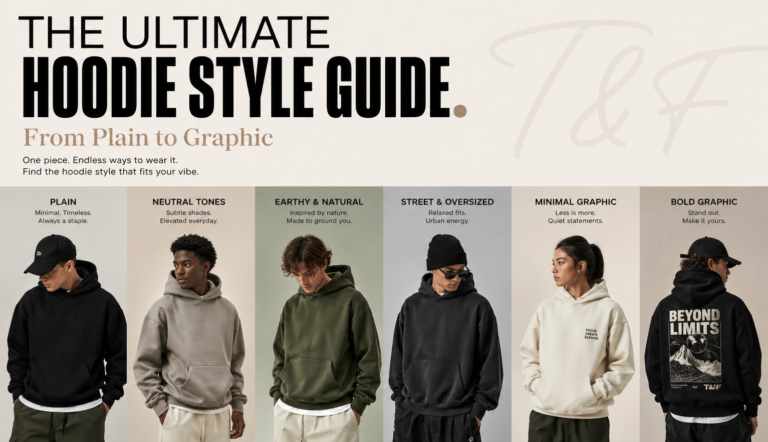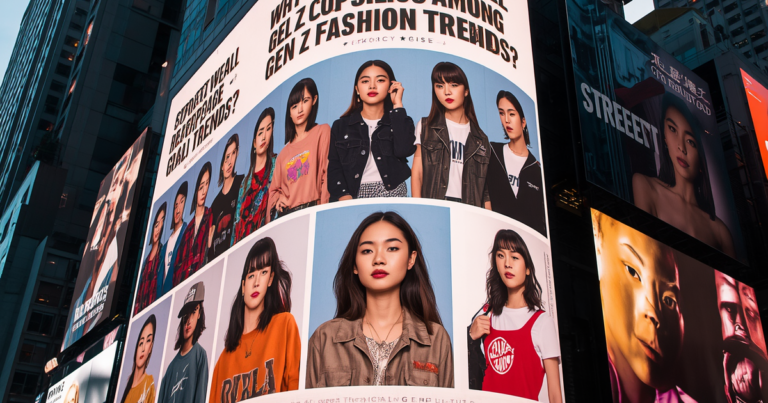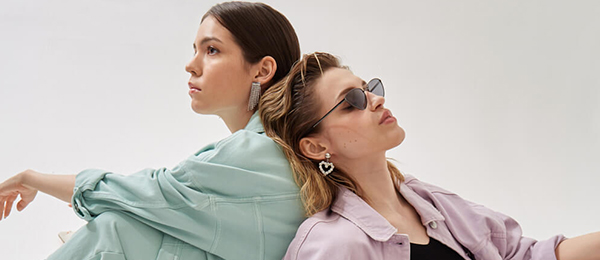
Every generation eventually leaves its mark on fashion. The Boomers had the counterculture revolution. Millennials brought athleisure and the casualisation of everything. But Gen Z fashion trends are doing something different entirely — not just influencing fashion, but actively reshaping the industry’s foundations from the inside out. Their impact is not a moment. It is a structural shift.
A Generation That Refuses to Be Dressed by the Industry
Previous generations largely allowed fashion to tell them what was desirable. Runway trends filtered down through magazines, department stores, and high street chains, and consumers followed — perhaps with some lag, but they followed.
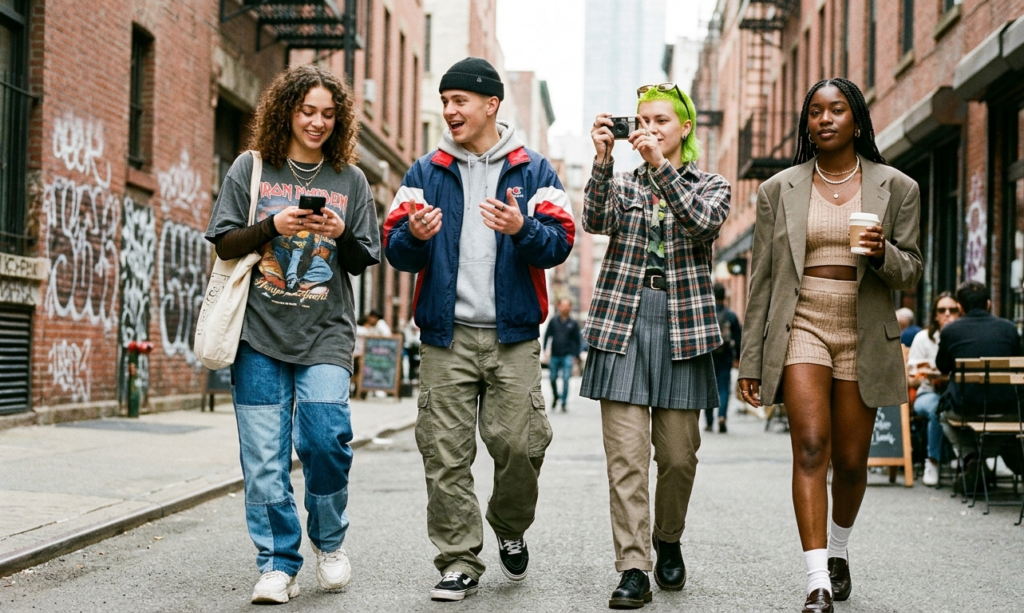
Gen Z has broken this chain entirely. They do not wait for trends to trickle down. They make them, sometimes overnight, and often on platforms the traditional industry is still struggling to understand. This is what makes genz fashion trends so genuinely disruptive.
The creative authority has moved. Designers and editors still matter, but a 19-year-old with an archive find and a strong visual sensibility can set a direction that reaches millions of people before any fashion house has had a chance to respond.
The industry did not give Gen Z this power — they simply took it, because the tools were there.
The Thrift Revolution and the Rise of Individuality
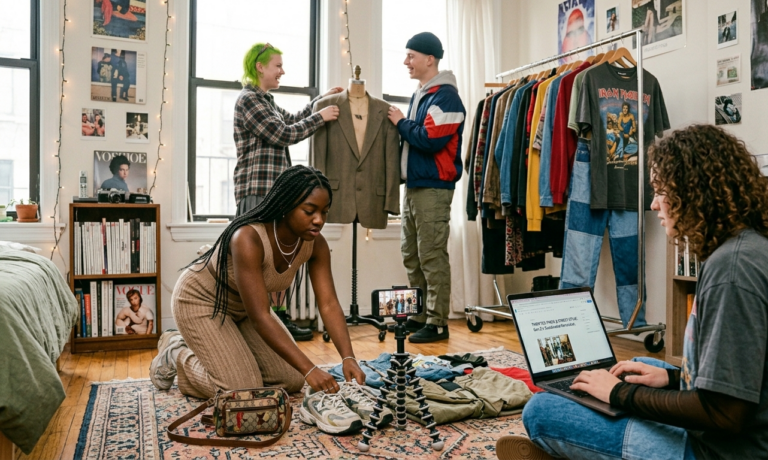
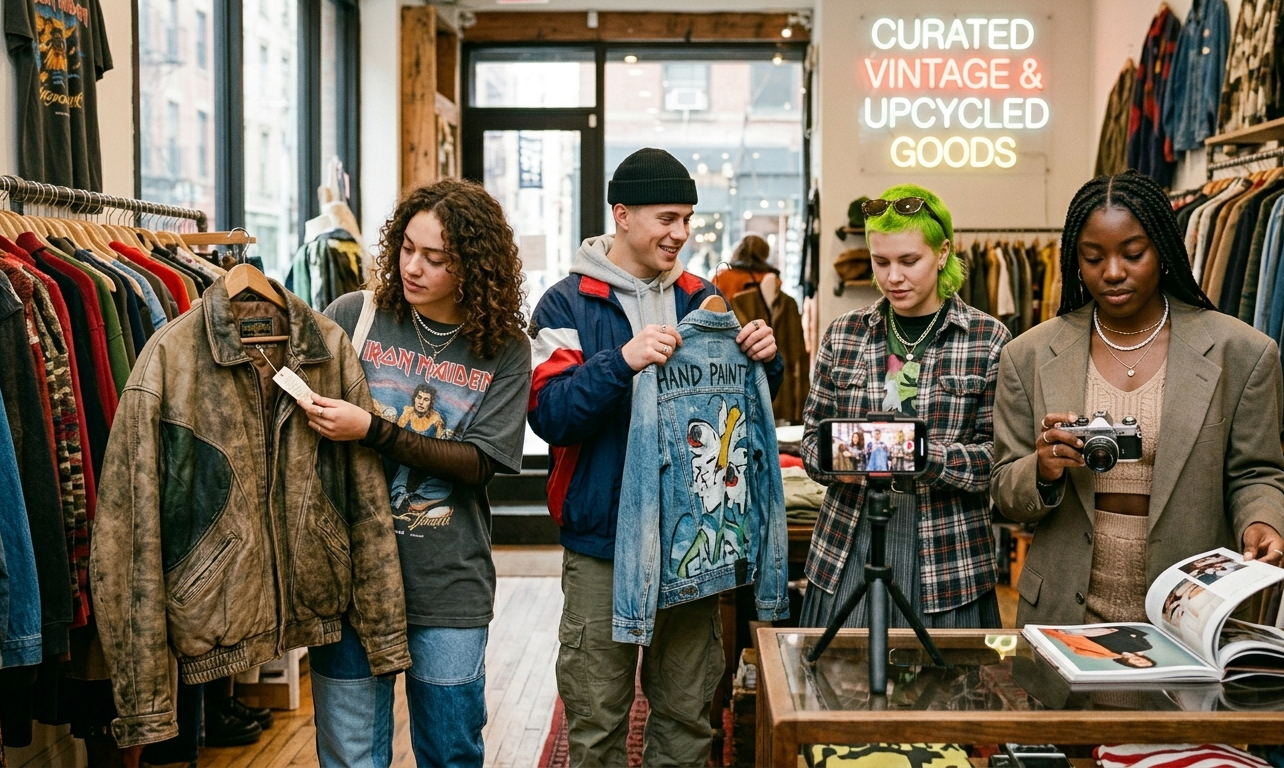
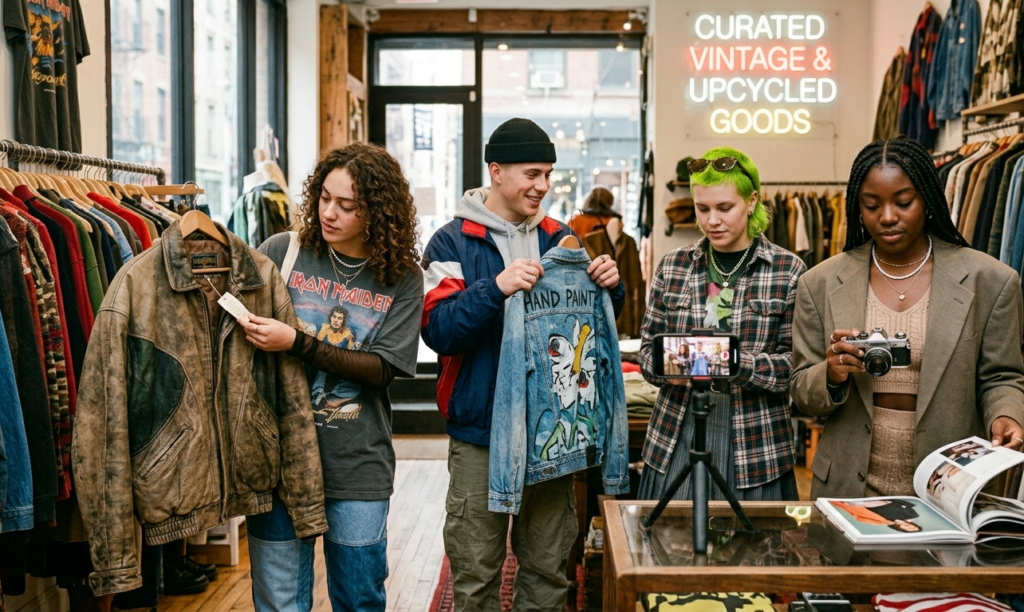
One of the most visible expressions of gen z fashion trends is the seismic shift toward second-hand, vintage, and pre-loved clothing. On the surface, this looks like a sustainability story — and it partly is. Gen Z is more environmentally conscious than previous generations, and many of them are genuinely motivated by a desire to reduce the damage of fast fashion.
But the thrift revolution is also about something else: individuality. When you shop second-hand, you almost by definition cannot dress like everyone else. You are working with what exists, not what a brand decided to produce this season.
The result is an aesthetic that feels personal, discovered, and genuinely yours. For a generation deeply wary of homogenisation, that matters enormously.
“Gen Z did not ask the fashion industry for permission. They simply started making the decisions themselves.”
Identity as the New Trend Cycle
For Gen Z, fashion is less a reflection of what is fashionable and more an expression of who they are — and who they are is gloriously plural. This is a generation that resists single identity labels, moving fluidly between aesthetics, subcultures, and influences. Cottagecore one week, Y2K the next, soft grunge the week after.
This is not inconsistency — it is a different relationship with self-expression entirely. The industry has had to scramble to keep up. The old model of seasonal trends simply does not map onto a generation that treats their wardrobe as a live, evolving mood board rather than a fixed signature look.
Brands that have thrived in this environment are the ones that offer breadth, genuine quality, and enough cultural literacy to meet Gen Z where they actually are.
Social Media and the Shift from Authority to Collaboration
TikTok in particular has transformed the velocity and democracy of genz fashion trends. A styling video can shift interest in a forgotten brand or silhouette within 48 hours. Aesthetic categories — like ‘dark academia’, ‘clean girl’, or ‘coastal grandmother’ — emerge organically from the platform and carry more cultural weight than many official seasonal collections.
What is remarkable is how this has democratised not just consumption but participation. Young people are not just watching fashion — they are contributing to it, critiquing it, historicising it, and often doing so with more rigour and passion than many industry insiders. The runway has not disappeared, but it now competes with millions of other stages.
The Industry’s Ongoing Misread of Gen Z
Despite all the adaptation, much of the fashion industry still treats Gen Z as a market to be captured rather than a culture to be understood. Brands that chase the aesthetic without grasping the values behind it — authenticity, transparency, genuine sustainability, and respect for the consumer’s intelligence — tend to be seen through immediately. The labels that are genuinely resonating are the ones listening more than they are speaking. They involve community in the design process, they are transparent about production, and they understand that genz fashion trends are not a formula to be copied but a conversation to be joined. That shift in posture — from authority to collaborator — is perhaps the most important thing the industry can learn from this generation. Gen Z is not just driving fashion forward. They are changing what it means to participate in fashion at all — making it more democratic, more personal, and more honest in the process. The brands paying attention will shape the next decade. The ones that are not will find themselves designing for an audience that has already moved on.
.