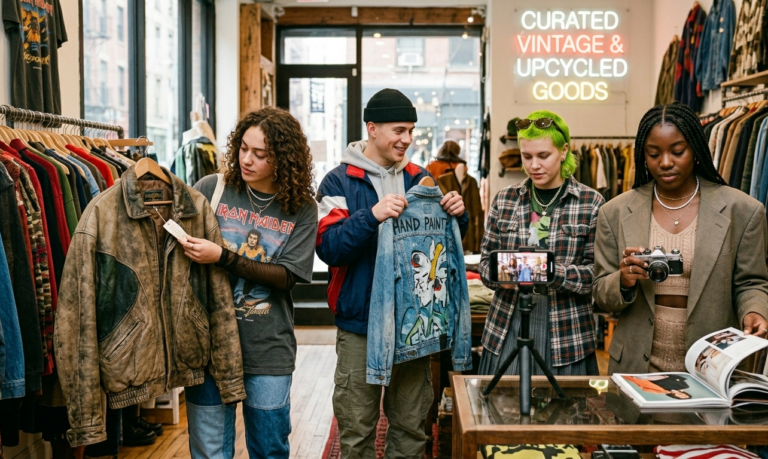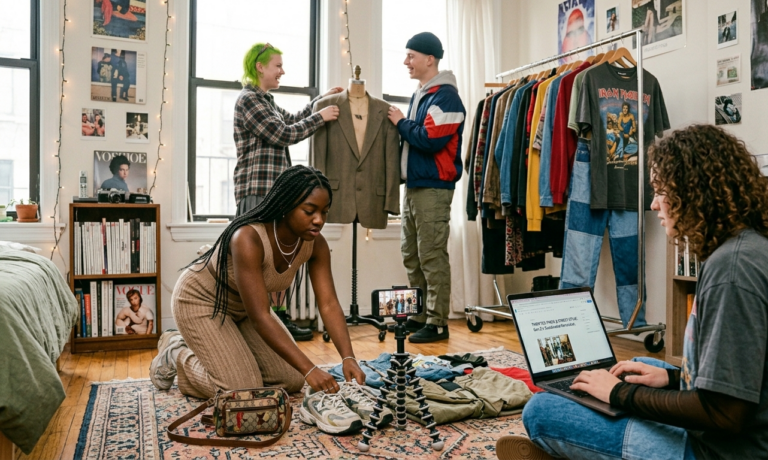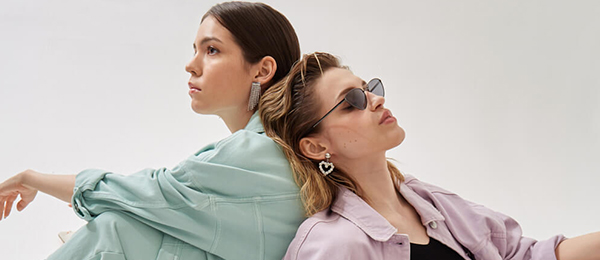
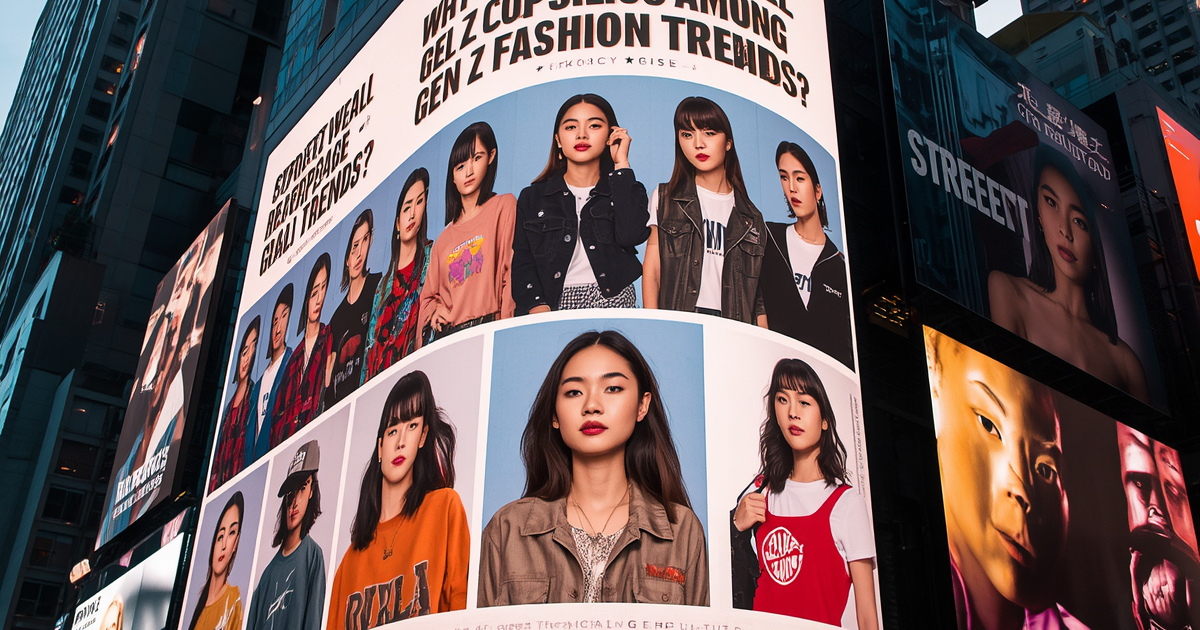
In the landscape of Gen Z fashion trends 2026, streetwear’s staying power feels even more natural. This generation blends oversized silhouettes with thrifted pieces, sustainable choices, and digital influence, creating looks that are both personal and culturally connected. Rather than chasing fast-moving trends, Gen Z leans into authenticity, mixing vintage, gender-fluid styles, and limited drops—keeping streetwear not just relevant, but constantly evolving.
Streetwear as Identity and Community
Streetwear Was Never Just About Clothes To understand why streetwear dominates gen z fashion trends 2026, you have to understand what streetwear actually is — and it has never really been about garments. It has always been about belonging. Born in the skate parks and hip-hop communities of the 1980s and 1990s, streetwear was a visual language shared between people who felt overlooked by mainstream fashion. You wore what your community wore, and in doing so, you announced who you were and where you stood. That instinct has not changed at all. Gen Z, perhaps more than any generation before them, craves authentic community — not the curated, aspirational version of it, but something that feels real and earned. Streetwear delivers that. A vintage Supreme piece or a rare New Balance collab is not just an item of clothing. It is a conversation starter, a membership card, a signal to other people who are paying attention.
The Power of Drop Culture and Digital Hype
The Drop Culture Effect One of the most clever things streetwear ever did was make scarcity its central marketing strategy, long before luxury fashion caught on. Limited drops, timed releases, and collab announcements create a kind of cultural electricity that fast fashion simply cannot manufacture. When something is truly hard to get, wanting it becomes part of the experience. For a generation raised on the dopamine loop of social media, this model feels almost native. The anticipation, the refresh, the miss or the win — it mirrors the mechanics of the platforms Gen Z grew up on. Gen z fashion trends 2026 show that the appetite for drops has not dulled. If anything, the resale market and the rise of archive hunting have extended the game further, giving streetwear a secondary life that keeps it in constant circulation. “Streetwear is not popular because it is trendy. It is popular because it has always known that clothes carry meaning.”
Authenticity, Evolution, and the Future of Streetwear
Why Authenticity Matters More Than Ever Gen Z has a finely tuned radar for anything that feels performed or manufactured. They have grown up watching brands attempt to co-opt youth culture, often badly, and they can spot inauthenticity at a glance. Streetwear, at its best, sidesteps this because it does not try to appeal to everyone. Its roots are specific, its references are earned, and its community polices its own culture with an enthusiasm that no marketing team could replicate. This matters enormously when you look at the broader landscape of gen z fashion trends 2026. While fast fashion brands churn out trend-adjacent pieces at speed, streetwear rewards knowledge. Knowing the history of a silhouette, understanding the significance of a particular collab, or tracking the evolution of a brand over decades — these things confer a kind of cultural credibility that cannot be bought. That dynamic is deeply appealing to a generation that values fluency and depth over novelty.
The Rise of Digital Subcultures
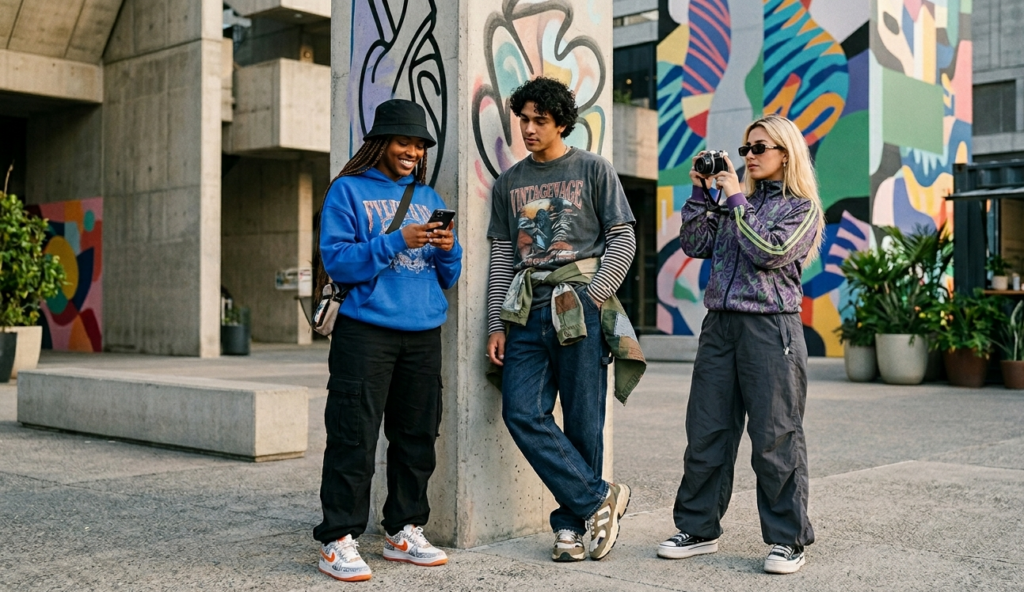
The Internet Changed Everything — But Not the Core Social media has clearly accelerated streetwear’s reach. TikTok hauls, Instagram outfit archives, and YouTube unboxings have brought the culture to corners of the world that would previously have had no access. But here is what is interesting: the internet has not flattened streetwear. It has fragmented it into dozens of micro-communities, each with their own references, aesthetics, and gatekeepers. Gorpcore, techwear, Y2K revival, heritage workwear — all of these sit comfortably under the broad umbrella of streetwear while feeling completely distinct from one another. This fragmentation is part of the appeal for Gen Z. Rather than one dominant trend imposing itself on everyone, there is a whole ecosystem of subcultures to discover, explore, and contribute to. The internet gave them access; streetwear’s inherent pluralism gave them somewhere to land. What Keeps It Moving Forward Streetwear continues to evolve precisely because it absorbs rather than resists. High fashion collaborations, sustainability conversations, genderless dressing, and the blurring of sportswear and formal wear — streetwear has integrated all of these shifts without losing its essential character. It is a living culture rather than a fixed aesthetic, which means it can grow with the people who love it. For Gen Z, that adaptability is everything. In a world where identity is fluid, layered, and constantly in conversation with itself, a fashion culture that allows the same flexibility will always feel relevant. Streetwear is not popular because it is trendy. It is popular because it has always understood that clothes are about more than what you put on your body — they are about who you are becoming. The staying power of streetwear is not a mystery. It is the natural result of a culture built on community, identity, and the quiet power of dressing with intention. As long as those things matter — and they always will — streetwear will have a place at the centre of how young people choose to be seen.