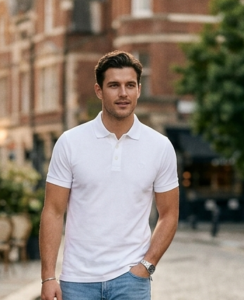
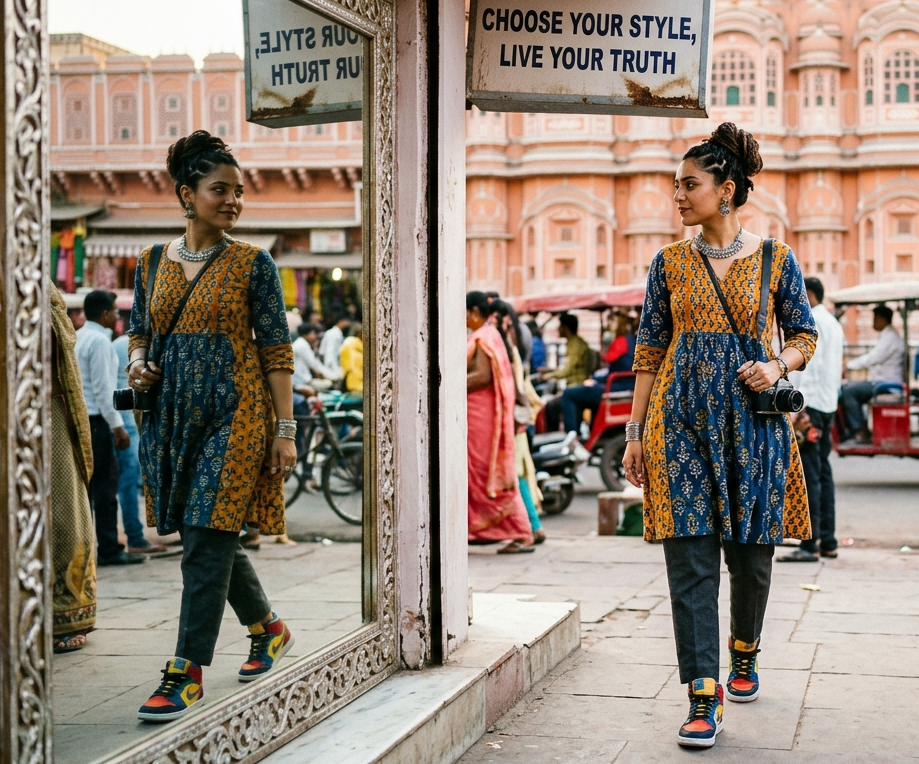
There is a question worth sitting with the next time you get dressed: who are you doing this for? Not in an accusatory way — more as genuine curiosity. Because the answer, if you are honest, tells you something important about where your style actually lives right now, and how far it has to go before it becomes truly, uncomplicatedly yours — and it’s also where the process of how to develop your personal style truly begins.
The Difference Between Dressing and Performing
Most of us have two wardrobes. The one we wear when we are being watched — on a date, at a party, on the commute — and the one we reach for when no one is around. The gap between those two wardrobes is worth examining, because it reveals a lot about how to develop your personal style. If the clothes you wear for yourself and the clothes you wear for the world are completely different, something interesting is going on.
Dressing for an audience is not inherently wrong. Clothes are communicative by nature, and there is real pleasure in making an impression, marking an occasion, or dressing in a way that says something deliberate about who you are in a given moment. The problem arises when performance becomes the default — when you are always dressing for the imagined gaze rather than for the feeling of the clothes on your body and the mood you actually woke up in.
Where Personal Style Actually Comes From
There is a popular idea that personal style is something you find — a fixed aesthetic that exists somewhere out there, waiting to be discovered. But the reality of how to develop your personal style is rather less romantic and considerably more interesting.
Style is not found; it is accumulated. It is built slowly from the things you consistently reach for, the silhouettes that keep appearing in your wardrobe, the colours you are drawn to without quite knowing why. Pay attention to what you feel good in rather than what you think you should feel good in.
The outfit you wear on a day when no one will see you is often more revealing than the one you carefully constructed for a big occasion. Those private choices — the worn-in jacket, the trousers you bought three years ago that still feel exactly right — are where your real style is quietly living, waiting for you to notice it.
“The outfit you forget you are wearing is usually the one that tells the truth about your style.”
Why Comparison Is the Enemy of Style
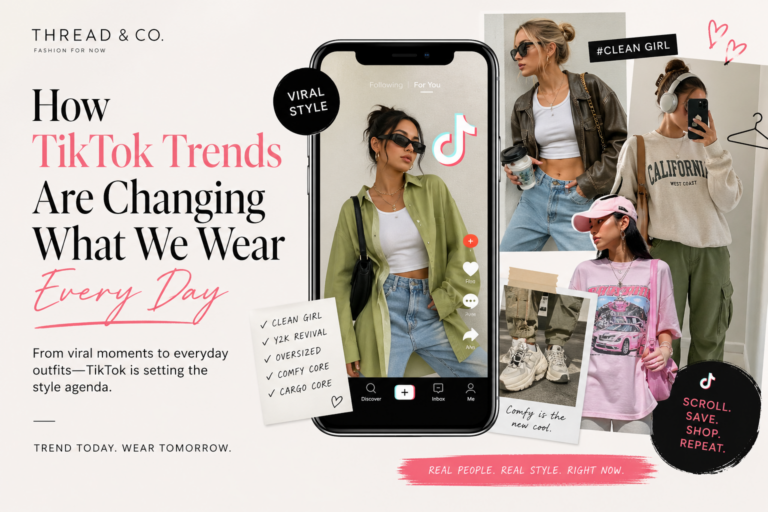
Social media has made developing a genuine personal style significantly harder, and it would be naive to pretend otherwise. When you are constantly exposed to other people’s highly curated visual identities, it is almost impossible not to absorb their choices as some kind of benchmark.
You start measuring your own taste against theirs, and the next thing you know, you are buying things not because they are right for you but because they are right for someone else’s life that you find appealing.
This is not vanity or shallowness — it is a predictable response to an environment that is specifically designed to make you feel like you are lacking something. The antidote is not to leave social media, necessarily, but to become more deliberate about the difference between admiring someone else’s style and wanting to inhabit it yourself.
You can appreciate a look without needing to wear it. That distinction is the beginning of genuine taste.
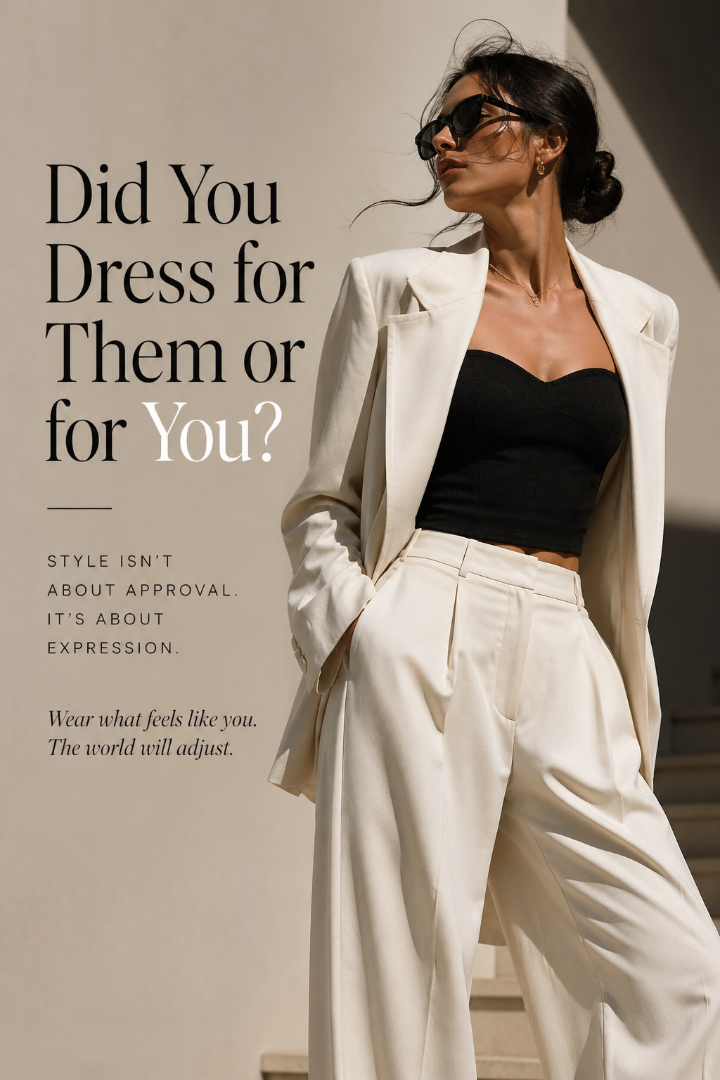
How to Develop Your Personal Style With Intention
Understanding how to develop your personal style begins with a simple but uncomfortable practice: wearing things and paying attention to how you feel in them. Not how you look — how you feel.
There is a real difference between an outfit that makes you feel confident and one that makes you feel like you are wearing a costume. The confident outfit tends to be quiet. You forget you are wearing it. The costume outfit requires maintenance — you keep checking mirrors, adjusting, hoping it is reading correctly.
Build toward the quiet confidence. That usually means editing out the pieces you bought because they were trending and investing in the ones that have lasted because they genuinely fit your body, your life, and the way you actually move through the world. It means wearing things before special occasions, not saving them for permission. It means, gradually and without drama, letting your taste become your own.
Dressing as an Act of Self-Respect
There is a version of this conversation that sounds indulgent — as though worrying about how to develop your personal style is a luxury for people with too much time. But getting dressed is one of the few genuinely creative acts that most people engage in every single day.
What you put on your body is a decision about how you meet the world, and making that decision with intention rather than anxiety is not frivolous. It is actually a quiet form of self-respect.
Dressing for yourself does not mean ignoring context or occasion. It means that within whatever context you are operating in, you are making choices that come from your own preferences rather than from fear of getting it wrong. That freedom — small and private as it is — changes how you carry yourself. And the way you carry yourself changes everything else.
Start paying attention to the things you reach for when no one is watching. That quiet consistency is your personal style, already waiting for you. You just have to choose it on purpose.